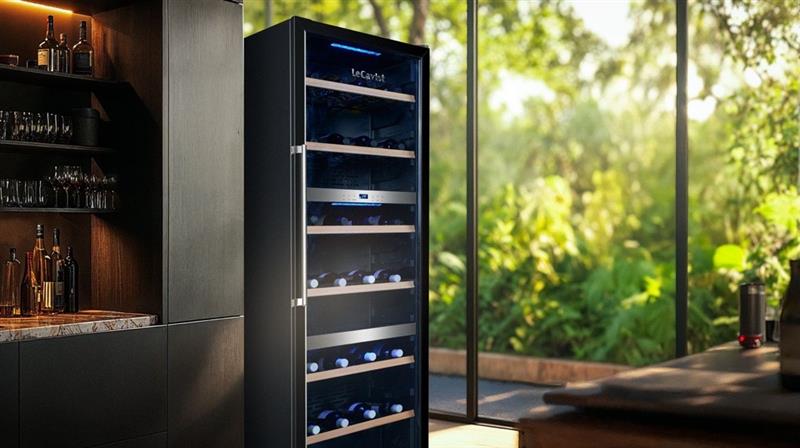
Wine is a beverage steeped in tradition, culture, and history. From its humble beginnings in ancient vineyards to the sophisticated bottles adorning the shelves of connoisseurs today, wine has captivated the hearts and palates of people around the world. Yet, amidst the allure of swirling aromas and velvety textures lies a crucial element often overlooked: proper storage conditions.

The Importance of Proper Wine Storage

Wine is a delicate and temperamental elixir, susceptible to the whims of its environment. Factors such as temperature, humidity, light, and vibration can significantly impact the taste, aroma, and longevity of a bottle of wine. As such, the importance of proper wine storage cannot be overstated, especially for those seeking to preserve and savor the full potential of their cherished vintages.

Temperature: The Key to Preservation

One of the most critical factors in wine storage is temperature. Fluctuations in temperature can cause chemical reactions within the wine, leading to premature aging, oxidation, and ultimately, a diminished drinking experience. Ideally, wines should be stored at a consistent temperature between 7°C and 18°C (45°F to 65°F), with minimal fluctuations. Extremes in temperature, such as excessive heat or cold, should be avoided at all costs, as they can irreversibly damage the wine.

Humidity: Maintaining the Balance

In addition to temperature, humidity plays a crucial role in wine storage. Too much humidity can promote mold growth and damage labels, while insufficient humidity can cause corks to dry out and allow air to seep into the bottle, leading to oxidation. The optimal humidity level for wine storage falls between 50% and 80%, ensuring that corks remain moist and airtight, thus preserving the integrity of the wine.

Light and Vibration: Enemies of Wine

Light and vibration are two often-overlooked enemies of wine. Exposure to ultraviolet (UV) light can cause chemical reactions in the wine, leading to a phenomenon known as "light strike," which results in unpleasant odors and flavors. Similarly, excessive vibration can disturb the sediment in the bottle and disrupt the aging process. As such, wine cellars should be kept dark and free from unnecessary movement to protect the delicate balance of the wine.

Preserving the Past, Enjoying the Present

In the world of wine, every bottle tells a story—a story of terroir, craftsmanship, and tradition. By understanding and respecting the conditions necessary for proper wine storage, we can preserve these stories for generations to come, ensuring that each sip is a journey through time and a celebration of life's finer moments.

Blog post

5 Places for Smart Wine Storage Tips You Might Not Know

Want to upgrade your wine storage? Whether you need expert wine storage solutions for your growing collection or just want a chic wine cabinet...
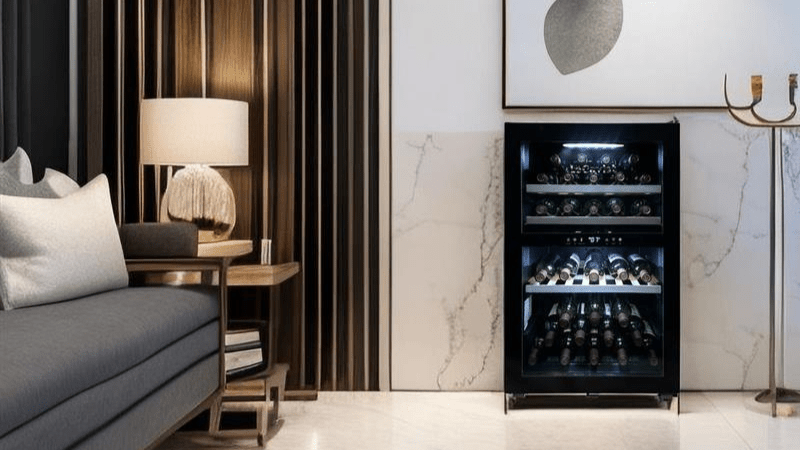
Must Have 5 Wine Cabinets For Your Wine Storage Needs

Want to take your wine enjoyment to the next level with perfect storage? Building a home cellar or renovating a hospitality arrangement? Picking the...
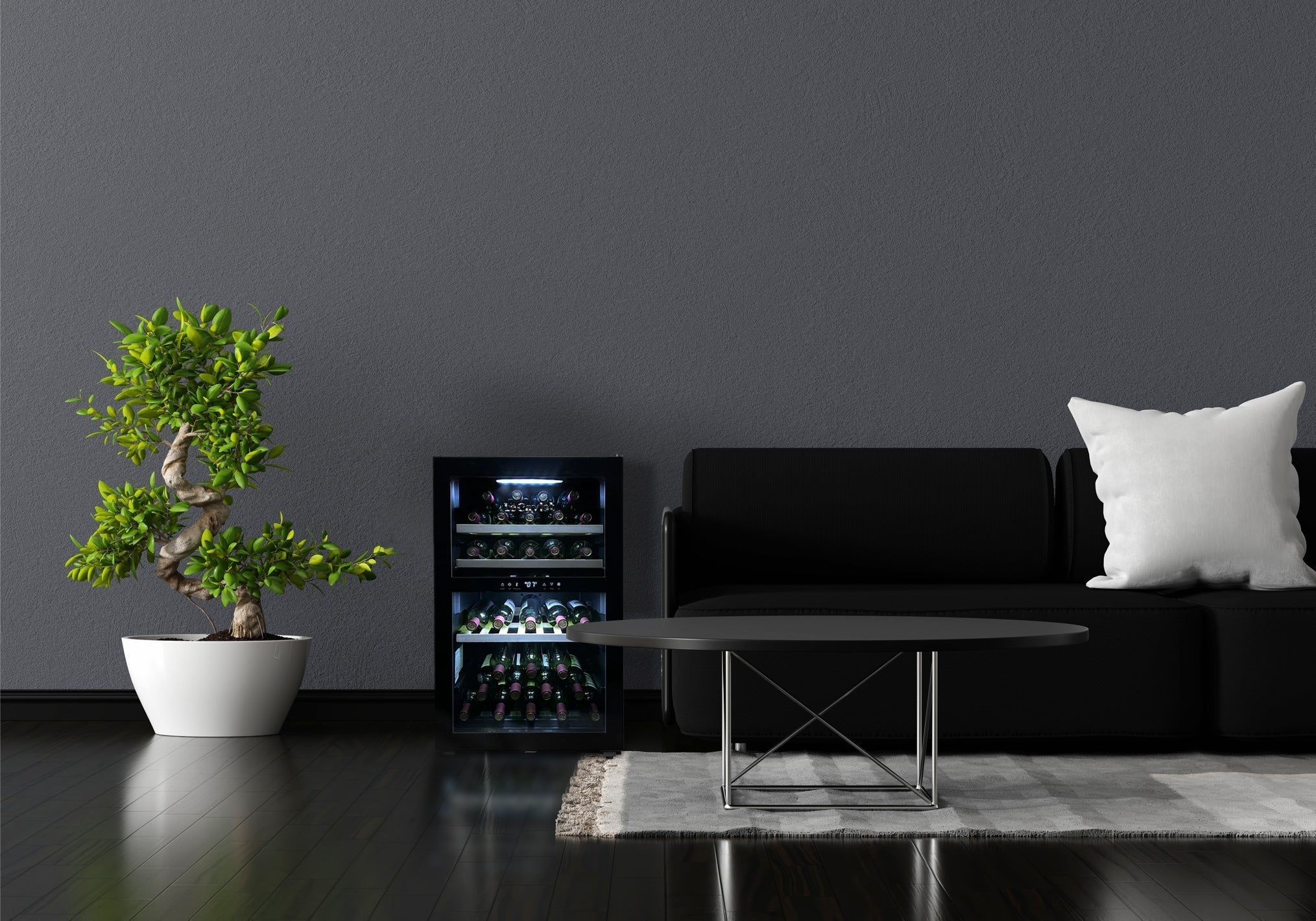
Avoid These 5 Wine Cabinet Mistakes for Perfect Storage

Building a good wine collection needs more than just picking great bottles – you also need to know how to store them properly. Whether...